Custom Katana ★ Bestseller
$299.99 USD
Showing 1–24 of 105 results
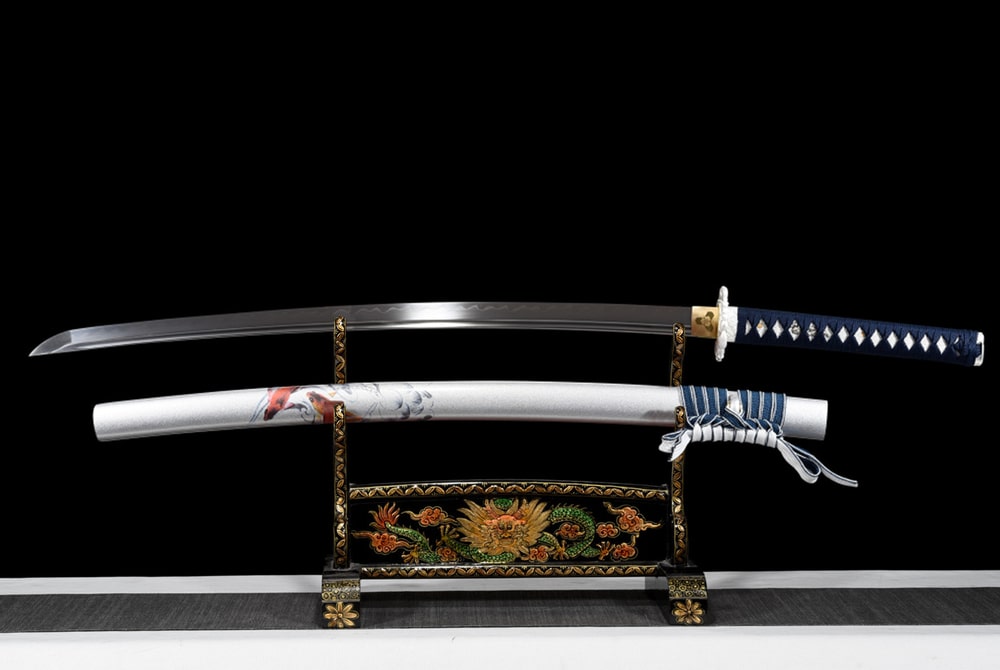
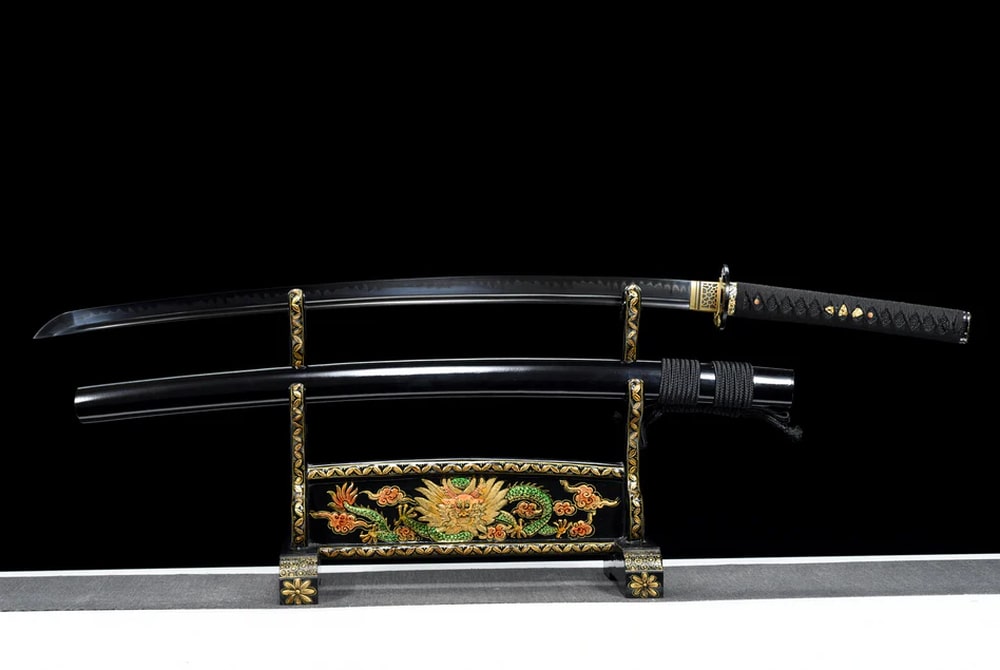
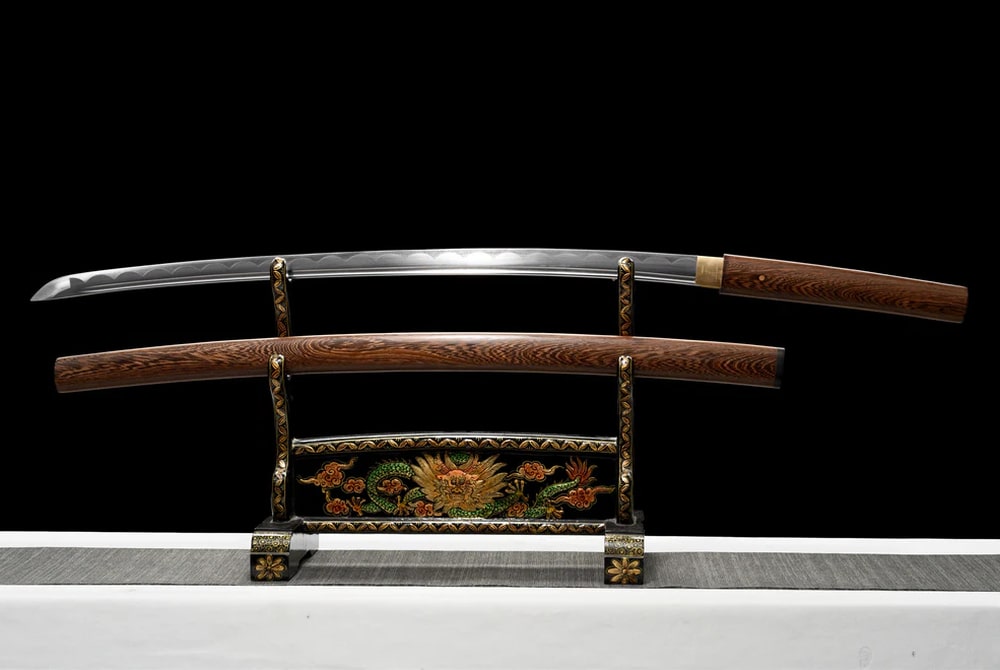
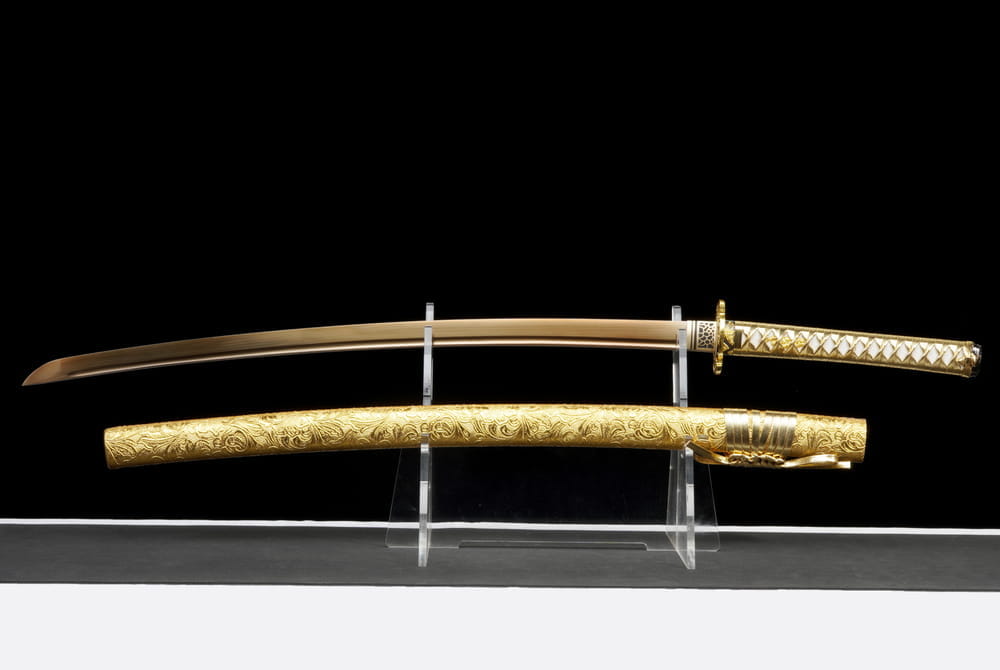
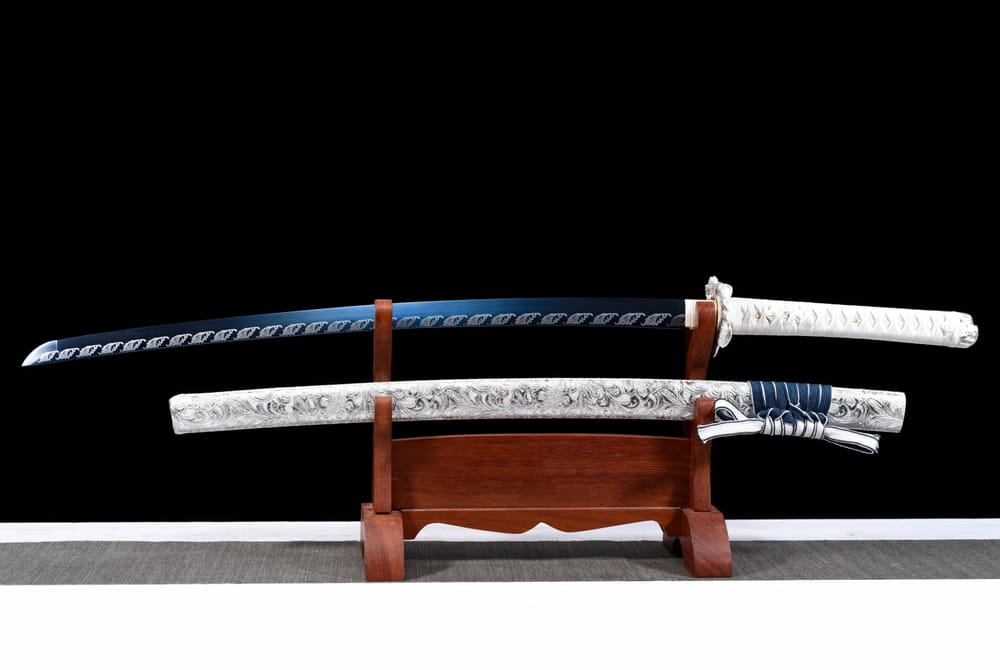
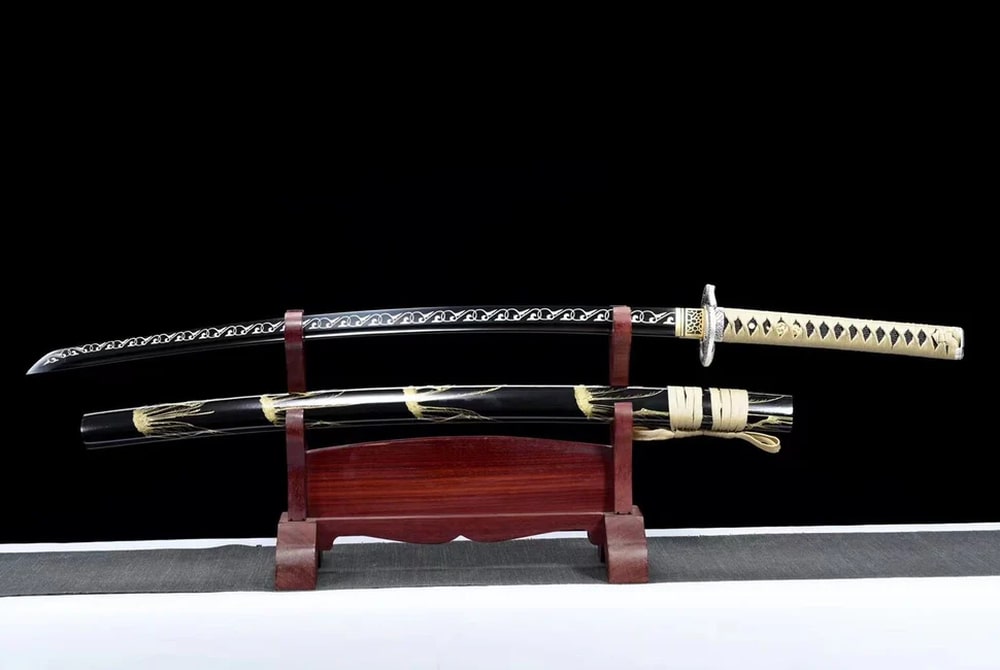
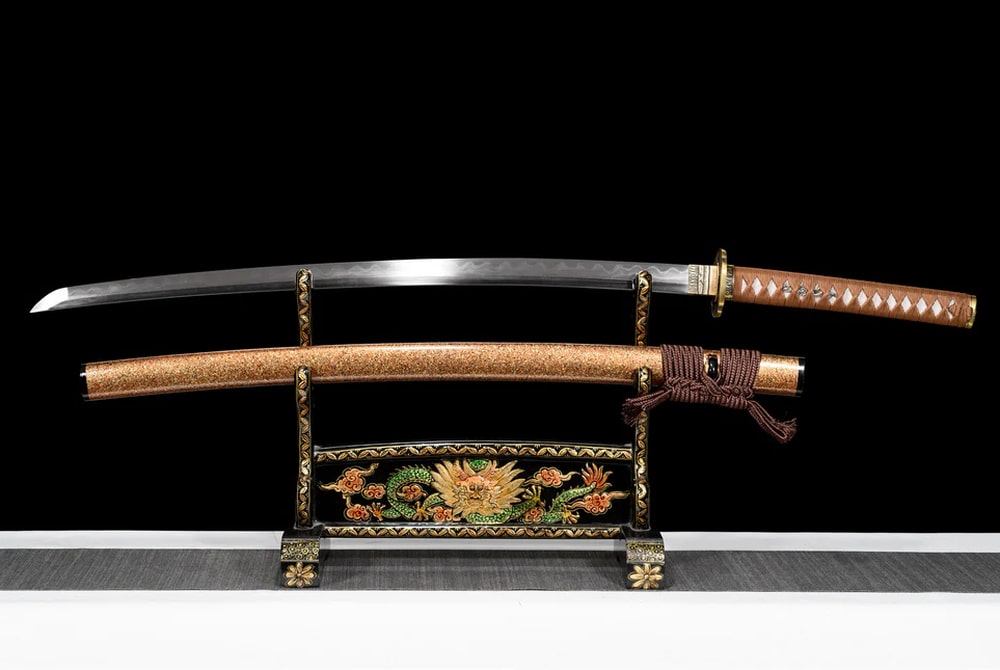
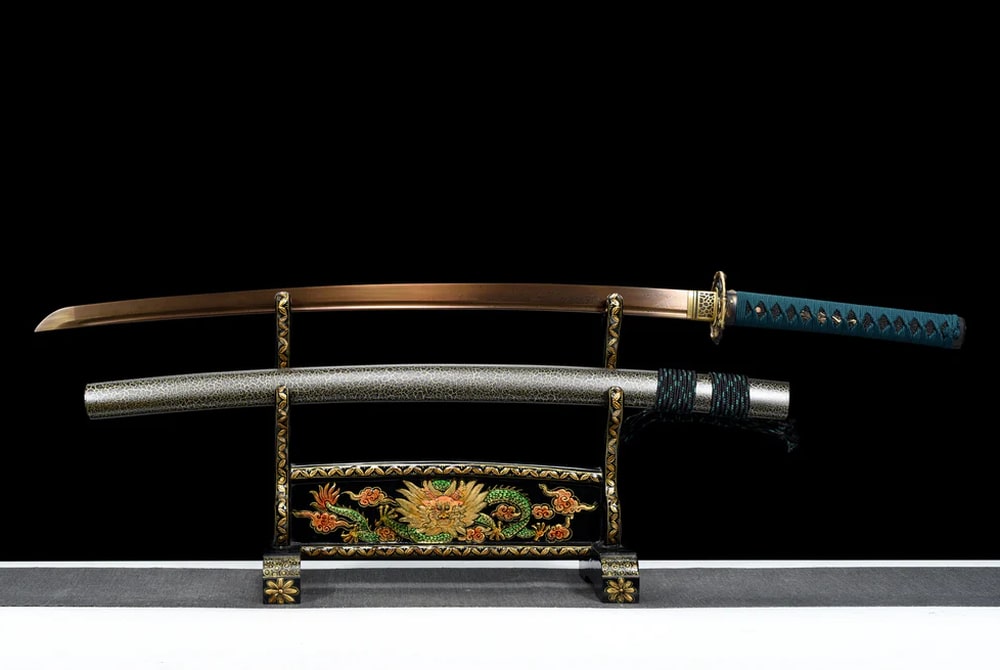
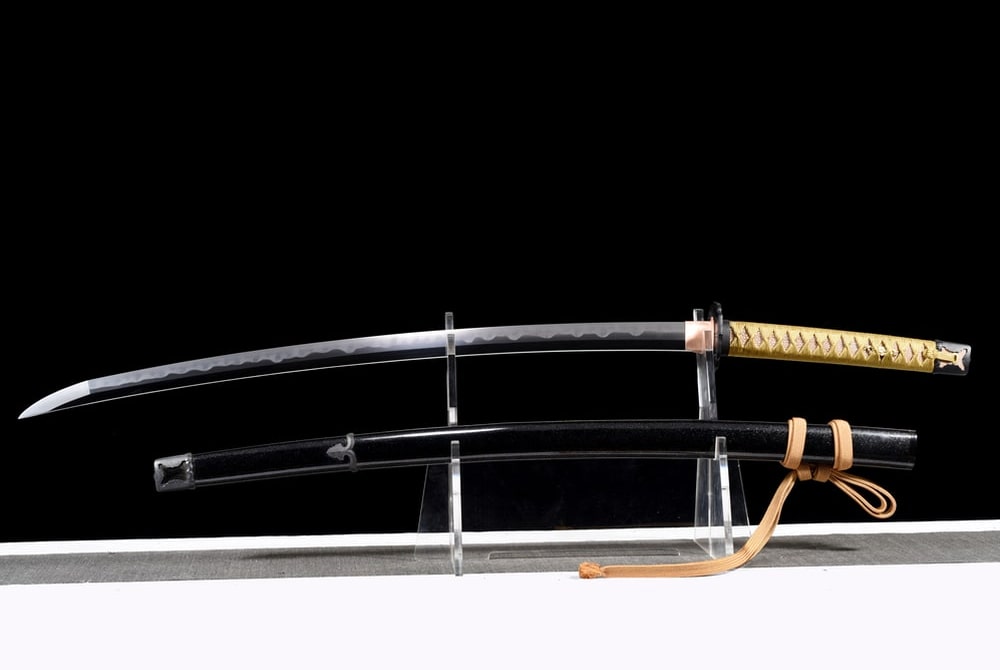
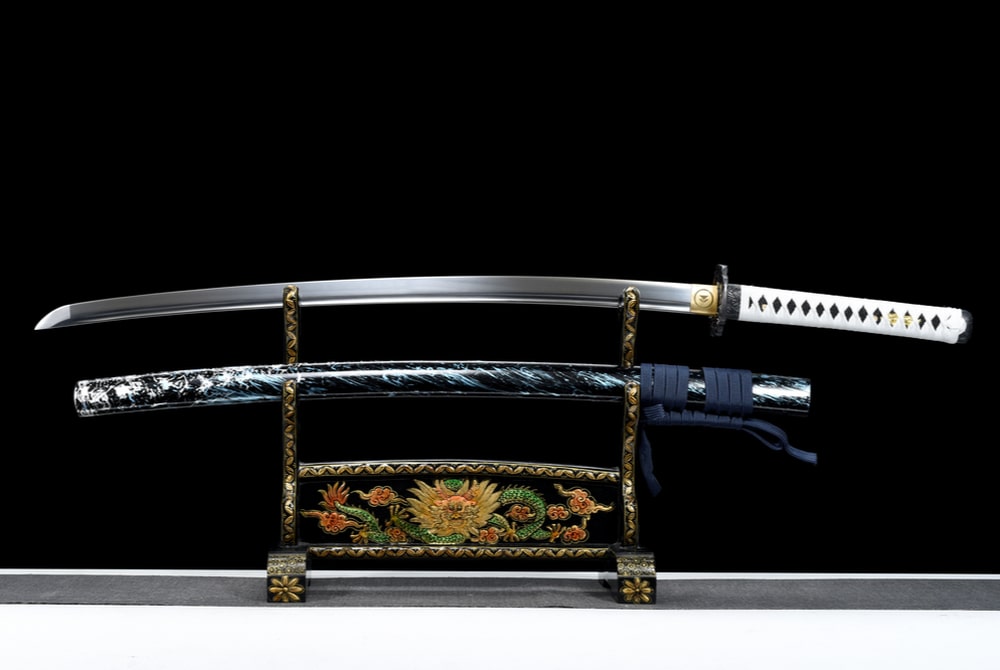
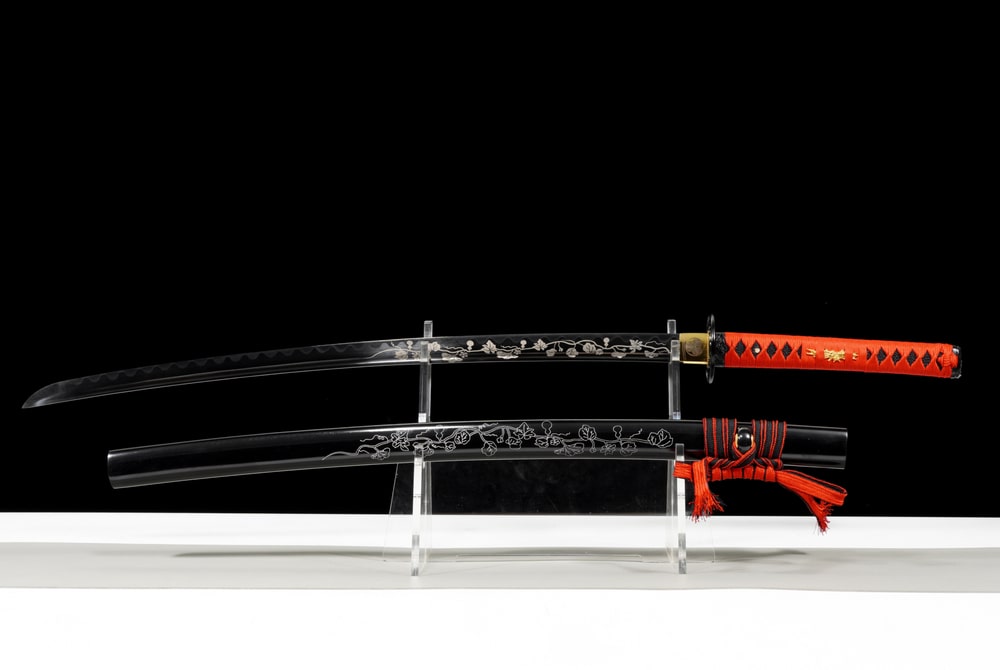
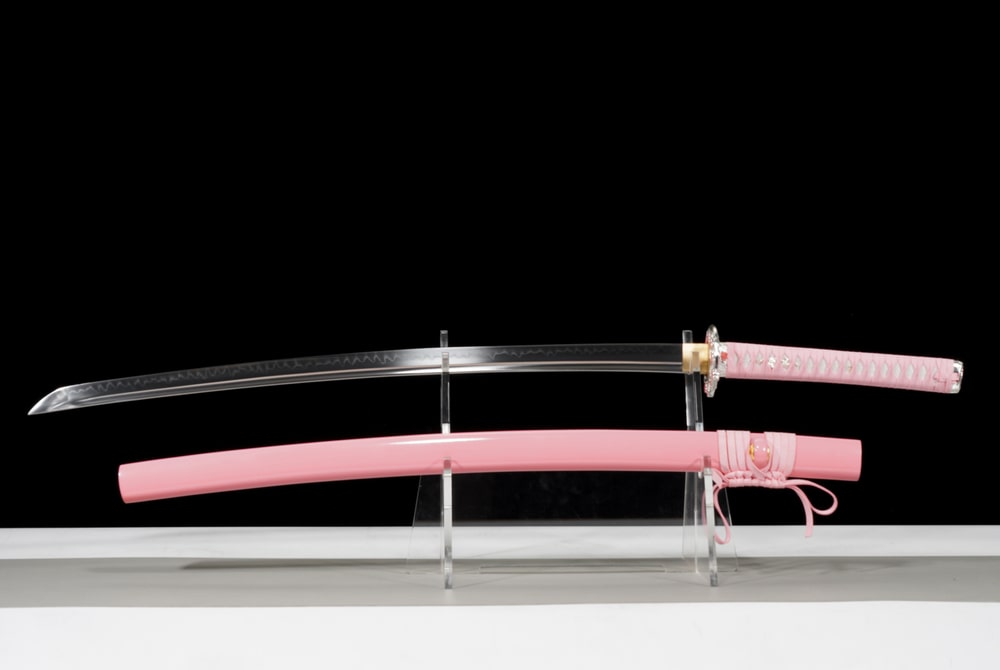
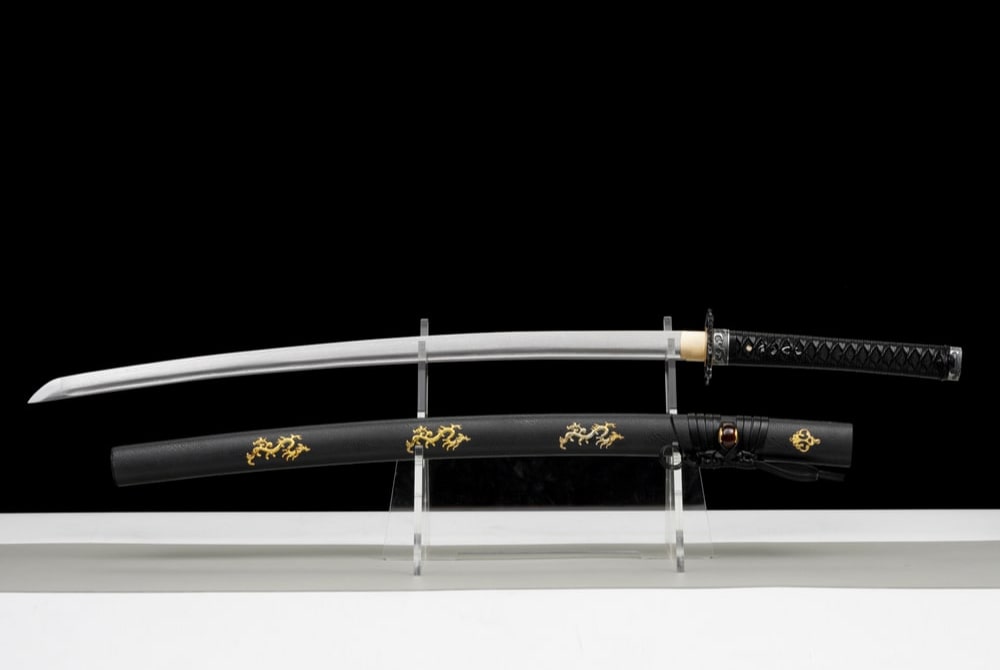
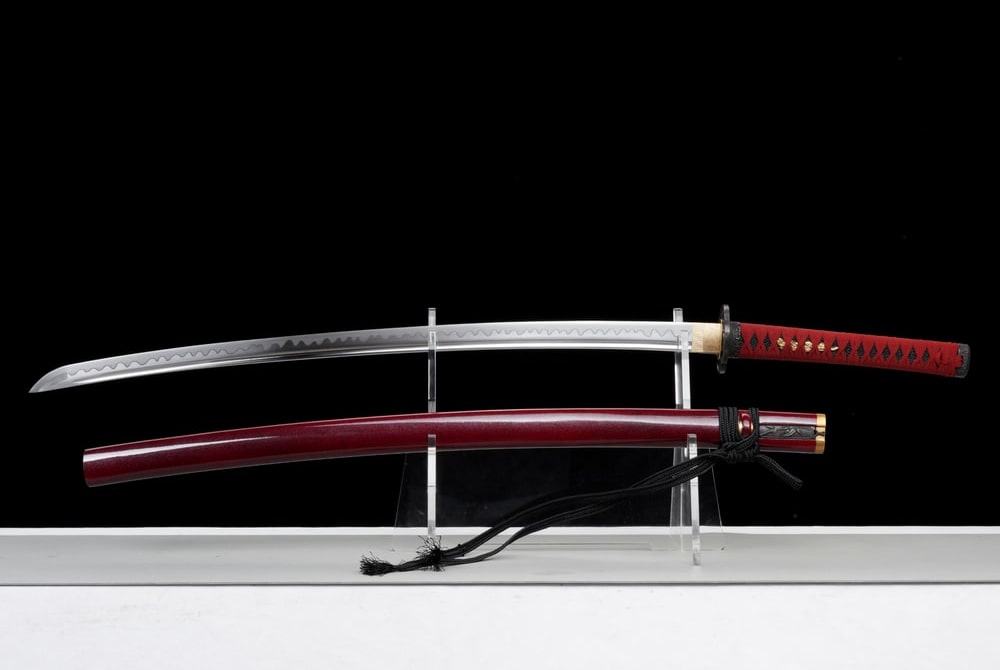
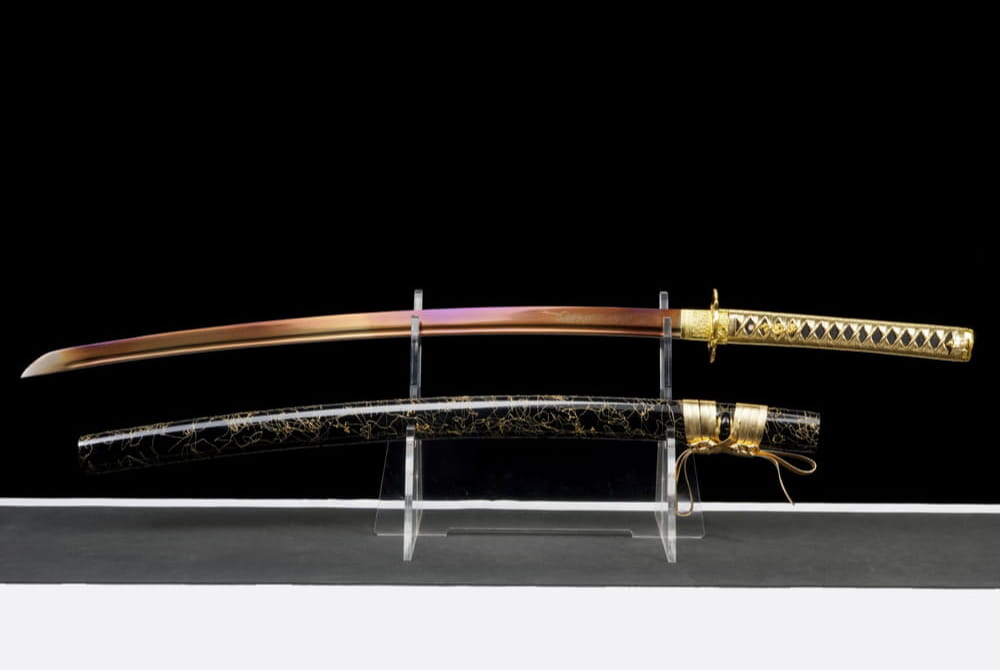
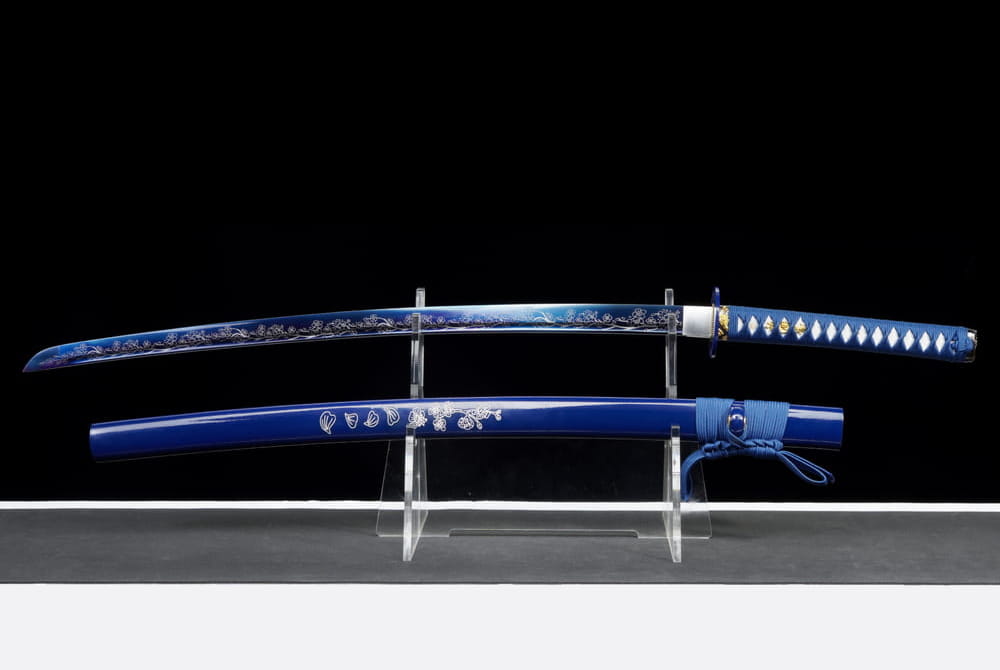
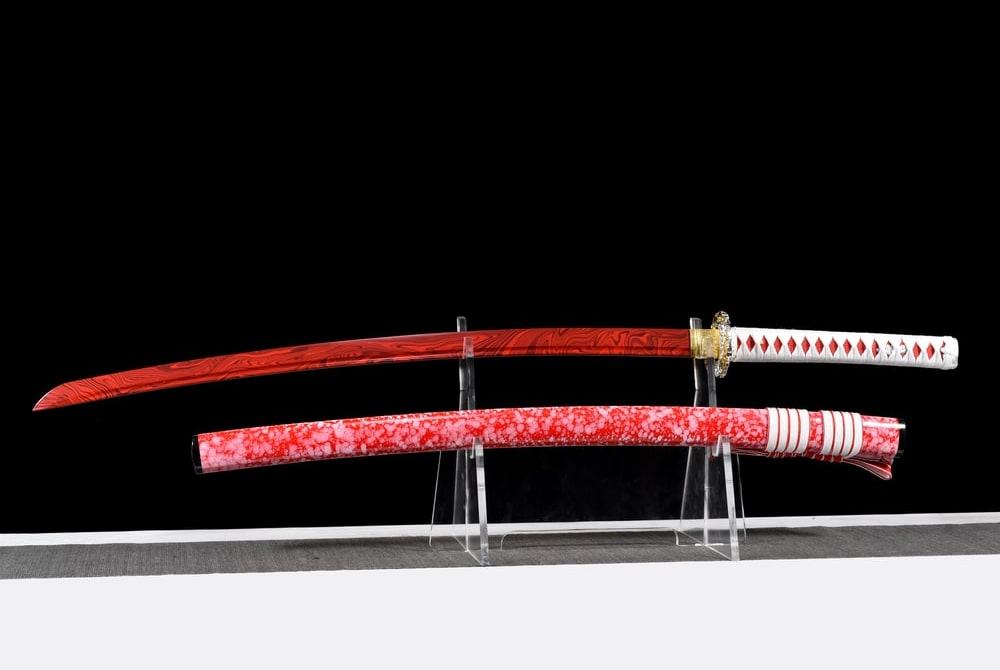
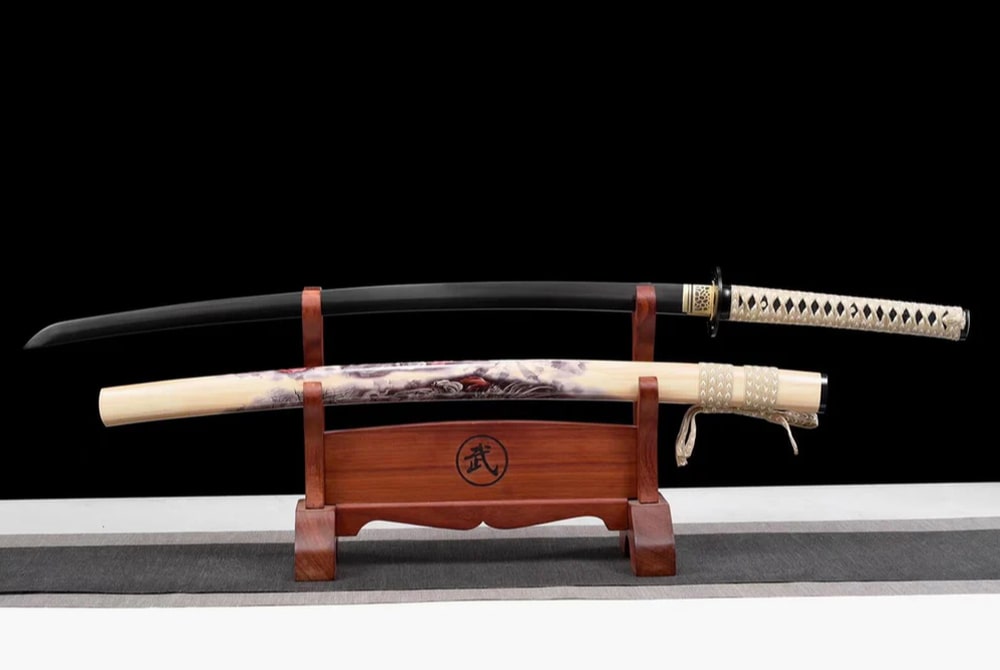
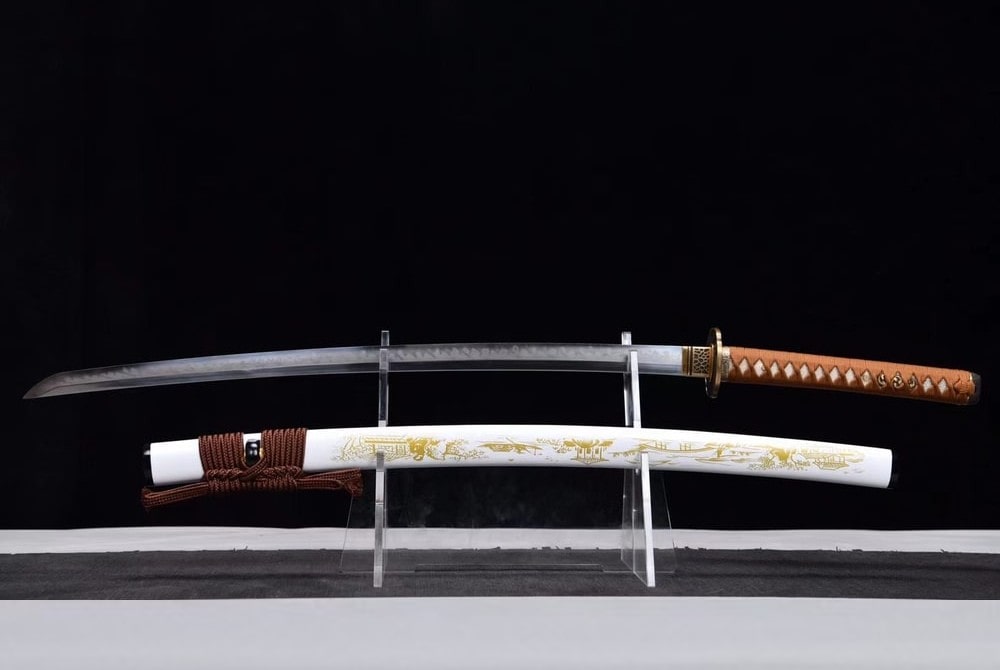
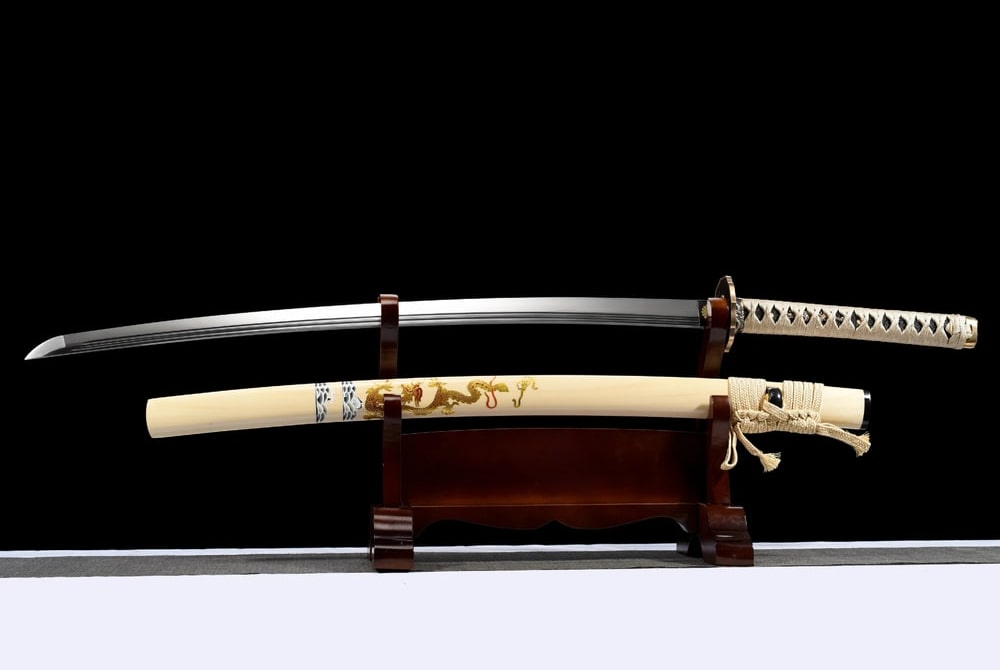
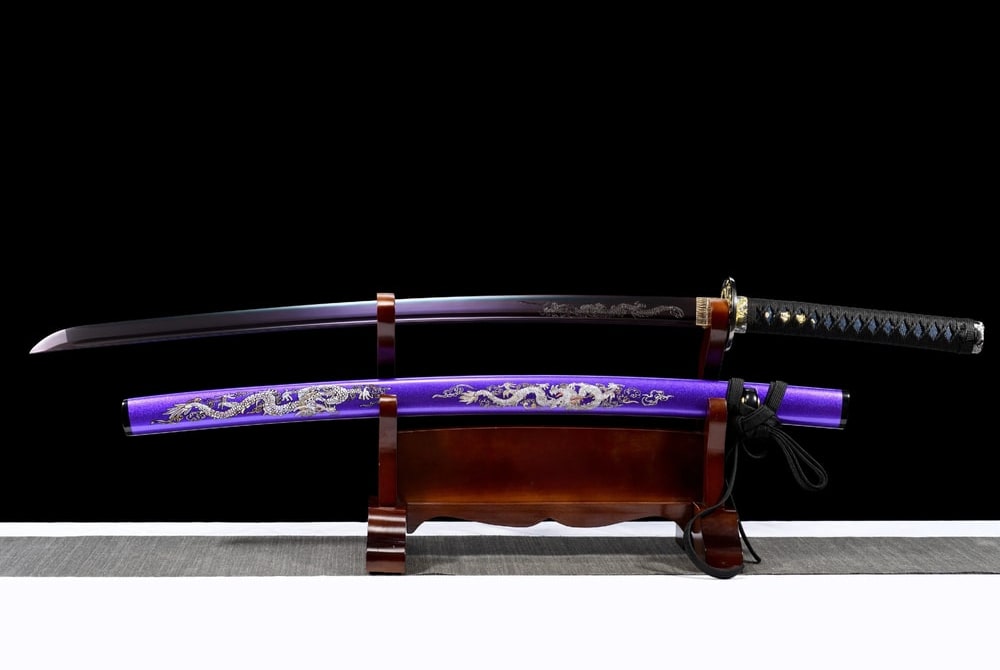
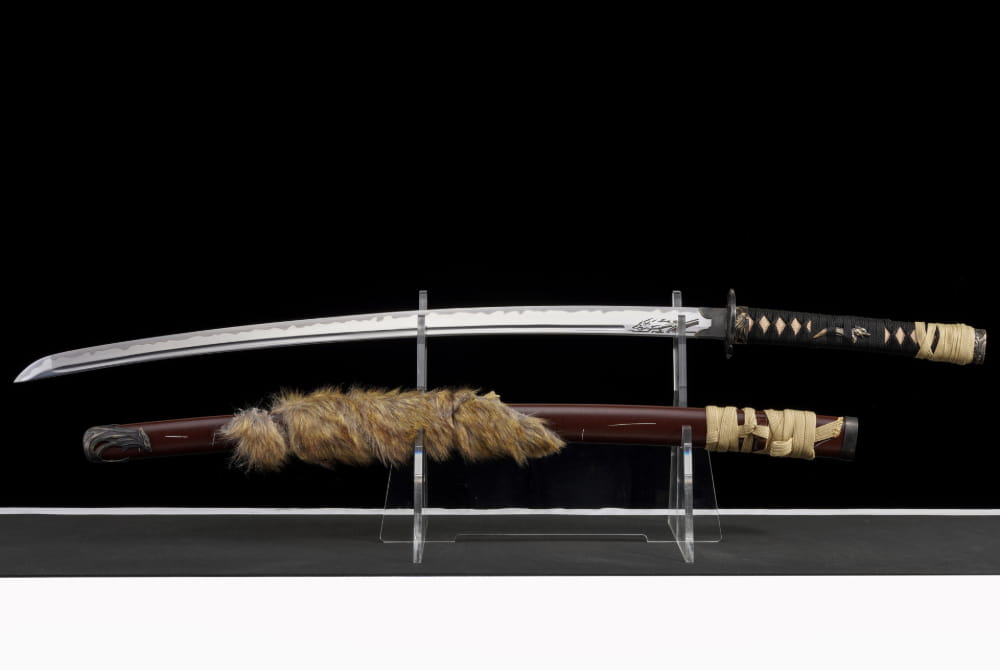
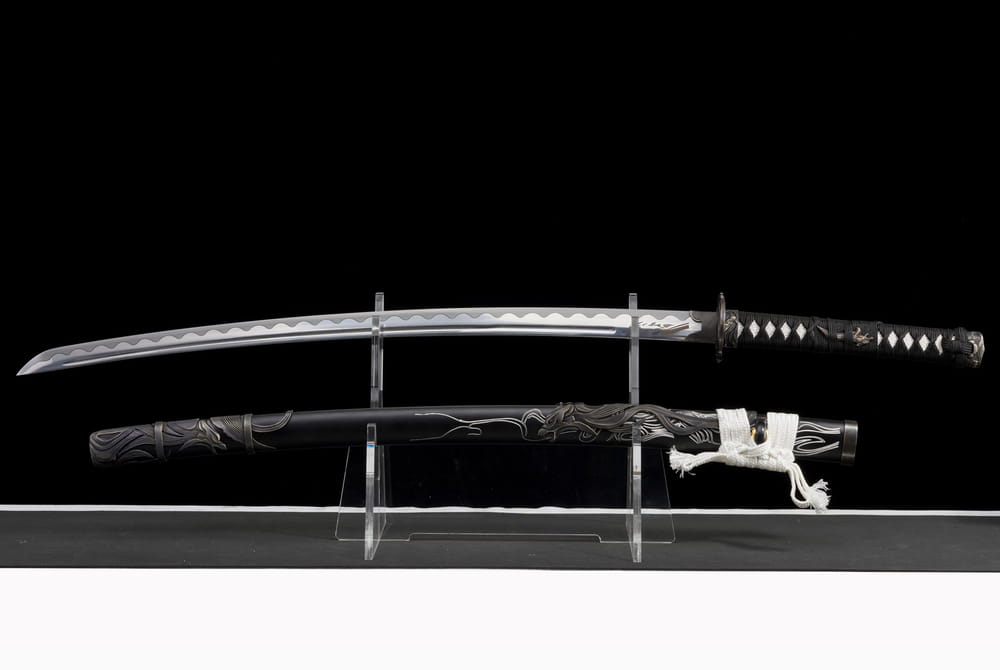
The traditional Japanese katana is an iconic sword from the history of the samurai, instantly recognizable by its curved blade, long handle and elegant proportions. Beyond its appearance, it represents a tradition of craftsmanship in which blade geometry, steelwork and finishing details all play an essential role.
Our collection showcases hand-forged katanas crafted by skilled artisans in Asia, inspired by traditional Japanese swordmaking techniques. Each model has its own distinctive characteristics, including carbon steel blades, hamon patterns, bo-hi grooves, traditional fittings and more elaborate finishes.
Designed for Japanese sword enthusiasts and collectors, these katanas offer a wide variety of blades, materials and decorative features. Whether you prefer a simple, understated mounting or a sword with more intricate details, this collection brings together different interpretations of the traditional Japanese katana.
Crafting a handmade katana requires careful attention to blade shape, material selection and the assembly of its various components. Unlike a purely decorative cast replica, a forged sword involves shaping the steel through forging and completing several stages of finishing.
Our katanas are made to order by skilled artisans based in Asia. Depending on the model, their production involves different forging methods, heat treatments, polishing techniques and assembly processes. Each of these stages influences both the final appearance of the blade and its properties.
The craftsmanship extends beyond the blade itself. The handle, known as the tsuka, the handguard or tsuba, and the scabbard or saya all contribute to the sword's distinctive appearance. The harmony between these components is particularly important in traditional Japanese sword aesthetics.
A hand-forged Japanese katana can therefore be appreciated through a combination of features that should be considered individually for each model, including steel composition, blade geometry, heat treatment, mounting and finishing quality.
The blade is the defining feature of a traditional Japanese sword. Its curvature, known as sori, contributes to the katana's distinctive silhouette. Depending on the blade design, this curve may be relatively subtle or more pronounced.
Blade geometry also plays a significant role. The shinogi, a longitudinal ridge found on many traditional katana blades, separates different blade surfaces and highlights the shaping work carried out on the steel.
At the end of the blade is the kissaki, or sword tip. Its proportions, shape and carefully defined lines influence the overall visual balance of the sword. On a finely finished katana, this area deserves just as much attention as the rest of the blade.
These characteristics help distinguish the various profiles of traditional katanas. Two swords made from similar steel can have noticeably different appearances depending on their curvature and blade geometry.
The hamon is a visible line found on certain katana blades. When produced through differential hardening, it marks the transition between areas of steel that have experienced different cooling conditions. Its appearance can range from relatively straight to gently wavy or more intricate patterns.
The hamon also plays an important role in the appearance of a traditional katana. Appropriate polishing can reveal the subtle variations within this line, creating a contrast with the surrounding blade surfaces. However, it is important to distinguish a genuine hamon formed through heat treatment from a purely decorative pattern.
Some models also feature a bo-hi, a longitudinal groove running along the blade. This feature can influence the blade's weight distribution while visually emphasizing its length.
By contrast, a blade without a bo-hi has a more uniform surface. Choosing between these different configurations depends on the characteristics of the sword and the collector's personal aesthetic preferences.
Steel selection is an important consideration when looking for a traditional hand-forged katana. Modern swords inspired by historical Japanese models can be produced using various carbon steels, including 1045, 1060, 1095 and T10.
1060 steel is commonly used in contemporary katana production. 1095 steel, which has a higher carbon content, offers different characteristics that depend significantly on the heat treatment applied. T10 steel is also valued in the production of certain blades featuring differential hardening.
Damascus steel katanas are distinguished by the visible patterns on their blades. Depending on the manufacturing process, these patterns can result from combining and working multiple layers of steel. They give each sword a distinctive appearance that is particularly appealing to collectors.
Other blade constructions, such as San-Mai, combine different layers of steel within the blade's structure. These techniques are especially interesting to collectors who appreciate traditional-inspired metalworking and sword construction methods.
It is important to remember that no steel grade alone guarantees the quality of a katana. Proper heat treatment, blade geometry, polishing and the quality of the mounting are equally essential.
The character of a traditional-style Japanese katana comes not only from its blade but also from the components that make up its mounting. Materials, colors and decorative patterns all contribute to creating a harmonious overall design.
The tsuka, or handle, may feature a wrapping inspired by traditional Japanese mounting techniques, using a braid known as tsuka-ito. The tsuba, which forms the sword's handguard, can have a relatively simple shape or be decorated with more elaborate motifs.
The saya, or scabbard, also plays an important role. A black or dark finish often complements more understated models, while contrasting colors can give the sword a different personality.
Collectors who appreciate a classic appearance will generally favor mountings with subtle colors and patterns inspired by Japanese art. Others may prefer blades featuring a particularly visible hamon, Damascus steel or more elaborate decorative details.
This variety allows you to choose a handcrafted katana with finishes that suit your personal preferences, while maintaining a balance between the blade, handle, handguard and scabbard.
When choosing a traditional Japanese katana, it is best to start by identifying the features that matter most to you, such as steel type, blade appearance, finishing details or the style of the mounting.
A collector looking for a classic aesthetic may prefer a sword with a polished blade, harmonious curvature and an understated saya. On the other hand, someone interested in more intricate craftsmanship may favor a pronounced hamon, a layered steel construction or more detailed decorative fittings.
Steel selection also deserves careful consideration. Grades such as 1060, 1095 and T10 have different characteristics, but it is particularly important to review the manufacturing specifications of each individual model.
For a first purchase, a katana with traditional proportions and relatively understated finishes is often an appealing choice. A collection can then grow to include swords with different blade profiles, steel types or mounting techniques.
The best traditional katana is not necessarily the most complex or heavily decorated model. Ultimately, it is the sword whose characteristics, materials and finishes best match your personal preferences.
A carbon steel katana requires regular care to preserve the condition of its blade. Carbon steel can be sensitive to moisture and fingerprints, both of which may contribute to corrosion.
After handling, it is recommended to clean the blade using suitable materials before applying a very thin layer of protective oil compatible with the steel. The sword should then be stored in a dry environment, away from significant changes in humidity.
For displaying a collectible katana, a horizontal sword stand allows you to appreciate the proportions of its curved blade and the details of its mounting. Soft lighting can also highlight the subtle variations in the polish, hamon or patterns found on certain steel types.
Always keep the sword out of reach of children and follow the safety regulations applicable to sharp objects.
Explore our collection of traditional Japanese katanas and compare the different hand-forged models, steel types, blade designs and finishing details to find the sword that best suits your collection.